


Rally: an identity experience connecting fans to esports
Role
Product Designer & Graphic Designer
Team
1 PM, 1 Developer, 1 Designer
Timeline
Sept 2025 – Dec 2025
Skills
UI/UX Design, Pitch Decks, Visual Storytelling
Background & Context
Riot Games challenged us to deepen fans’ emotional connection to esports players and teams.
Riot is world-class at making players care about fictional champions. Spirit Blossom and Star Guardian turned skinlines into worlds people chose and lived in. But real pros, who have real stories, get none of that. I wanted to know whether the formula that makes people love a champion could make them love a player.
I was the sole product designer on a team of three (one PM, one developer) through ProductSC’s client program, pitching to Riot’s Esports Platform & Experiences team at Riot HQ.
Solution Preview
Rally: a quiz that gives fans someone to root for
Rally matches League players with an LCS pro based on personality and playstyle. It then builds a habit around that match: a personal progression pass, and a shared team banner that every matched fan levels up together.
Research
Fans show up for Worlds, then disappear for the rest of the season.
~20%
Riot told us that only about 20% of international-event viewers watch regional matches consistently. The drop-off shows up in peak viewership too:
Peak viewers, 2024
When the people fans care about leave, viewership follows. At MSI 2025, peak viewership fell 27% without fan-favorite teams, and another 28% without the popular caster Caedrel. Fans aren’t loyal to the league. They’re loyal to people.
I interviewed 12 people: traditional sports fans, esports fans, lapsed viewers, and a marketer at 100 Thieves.
“Sports teams have personalities. I can’t pick a team to cheer for.”
Esports lacks jersey markers
Traditional sports fans told us teams “stand for something.” Esports teams felt interchangeable, and short pro careers meant identities never had time to form.
No onboarding into fandom
Fans are expected to research teams, learn rosters and pick on their own. For a casual viewer, that’s enough friction that they never pick at all.
Narratives reset every split
Rosters change, storylines vanish, and whatever a fan felt at Worlds has nowhere to go.
Players > orgs
TenZ has 4.5M Twitch followers; the official Valorant channel has about 5M. People attach to individuals, but Riot’s own player storytelling highlights mechanics. Hall of Legends bios read like stat sheets.
Ideation
Riot already knows how to turn a choice into an identity.
Through conversations with fans about what makes League so sticky, we mapped how Riot already builds emotional attachment to champions through its events:
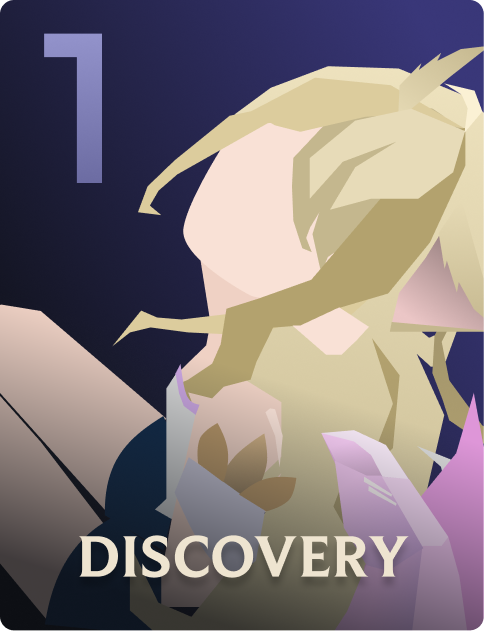
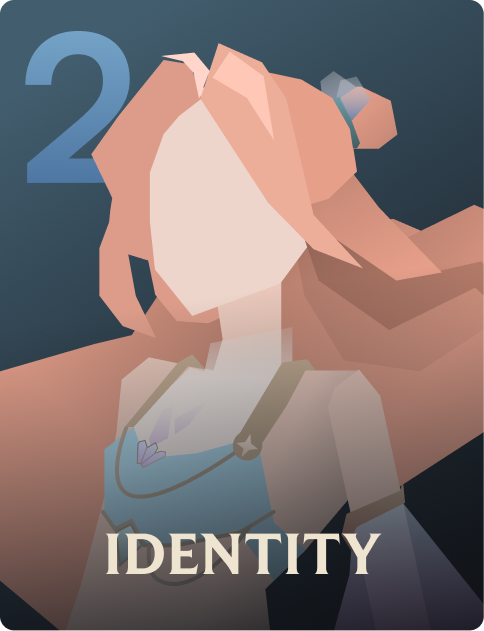
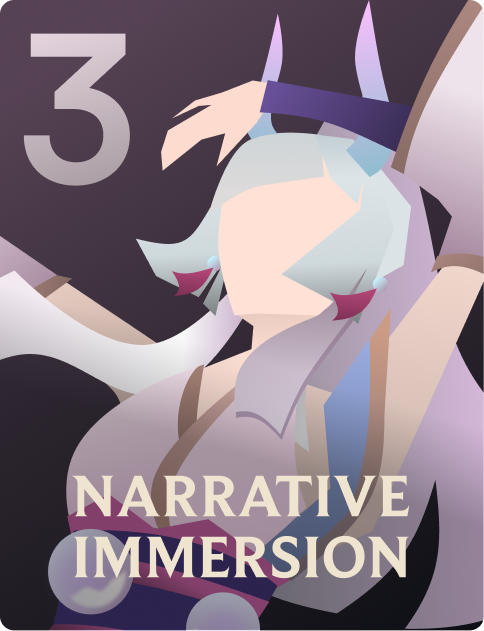
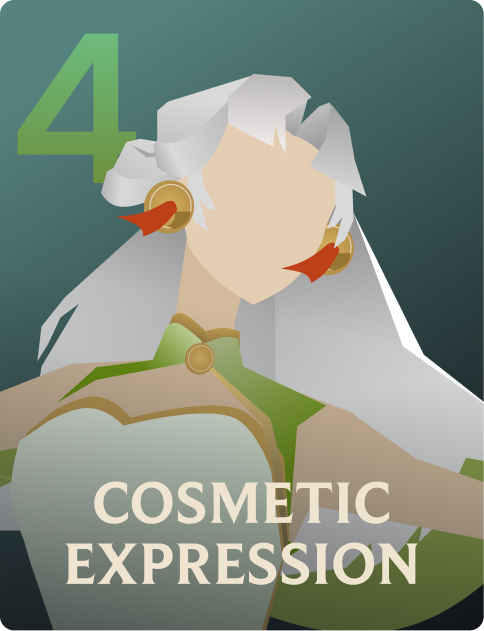
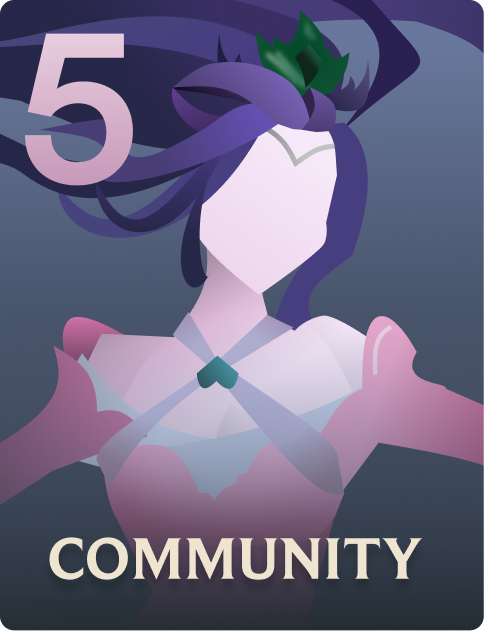
Riot’s events work because they turn a choice into an identity. Esports has the curiosity but no designed moment that turns it into attachment.
How might we transform the mid-season lull into a story-driven, identity-based experience that lets fans see themselves in their favorite teams and players?
Exploration
We explored three concepts and picked the one built around people.
Champion pick’ems
A fantasy league built on champions and agents. Easy to join, no knowledge gap.
− It attaches fans to champions, not players, and picking is often random
Live “moment” polls
Casters ask prediction questions mid-broadcast, and correct answers earn in-game currency. Interactive and emotional.
− It depends on the casters and is focused on gameplay over players or teams
A pro-player visual novel
A Spirit Blossom–style event where you get to know real pros through short interactive stories, unlocking quests and team cosmetics as you go.
+ Centering players protects fans from roster changes, and it makes pros feel human — exactly what our research said was missing.
The Pivot
The story was the right idea. The format was too heavy.
We scoped the visual novel fully: five pro storylines, three chapters each, with in-game quests between chapters. We wrote the first scene, a dumpling standoff between Disguised’s jungler eXyu and Lee Sin, built from things he’d shared in interviews.
Then the scope caught up with us. Every pro needed a hand-written storyline, so content grew with every player we added, and 40 LCS pros meant 40 scripts every split. Riot’s guidance was to keep it low-scope and lightweight, in service of their real goal: getting more people playing.
So I kept the core insight (match a fan to a person) and cut the delivery. Instead of writing a story for every pro, we would score every pro once and let a quiz do the matching. The story of who your pro is comes from watching them play.
Design Decisions
Five decisions that turn a quiz into a habit
01.
A quiz, not a team directory
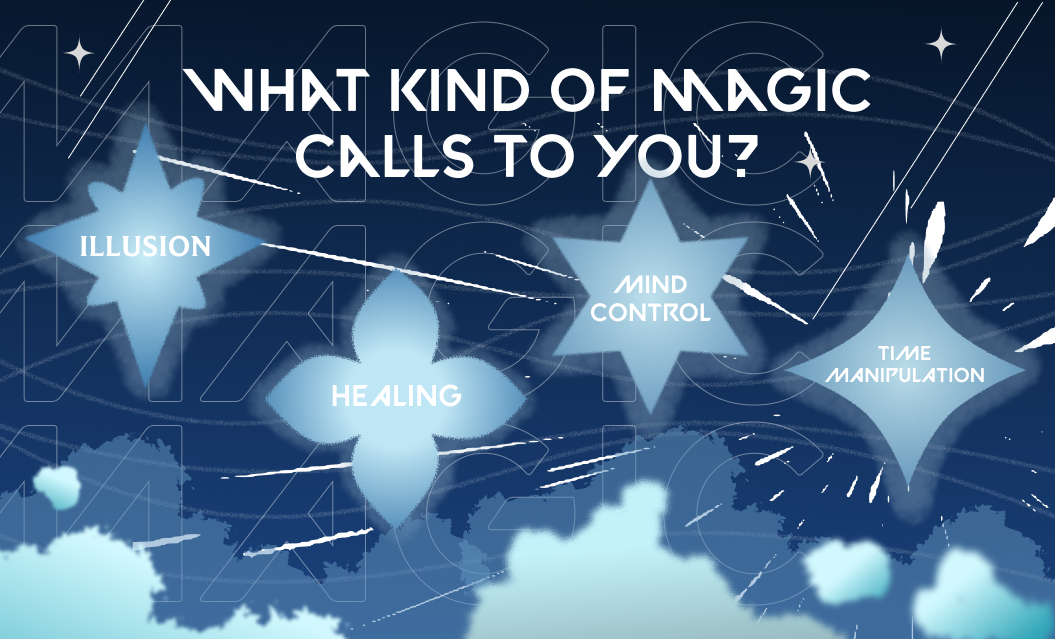
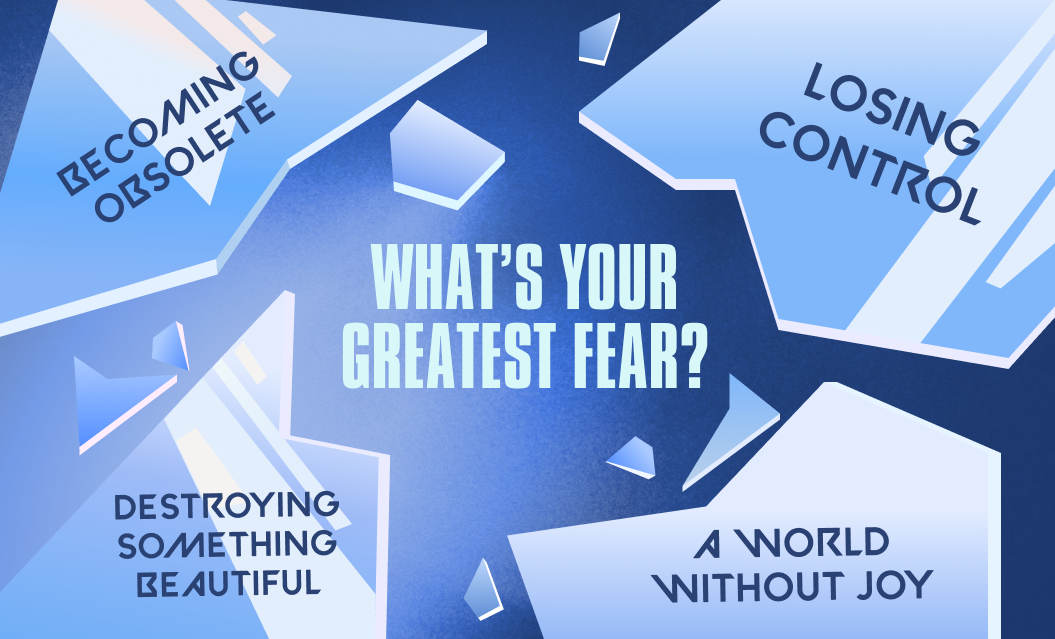
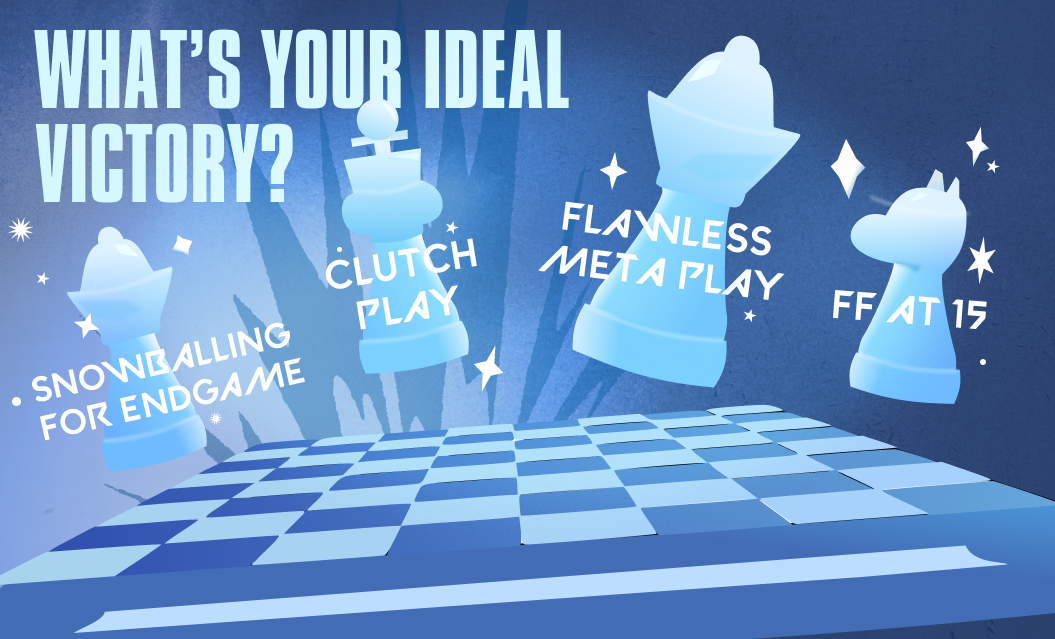
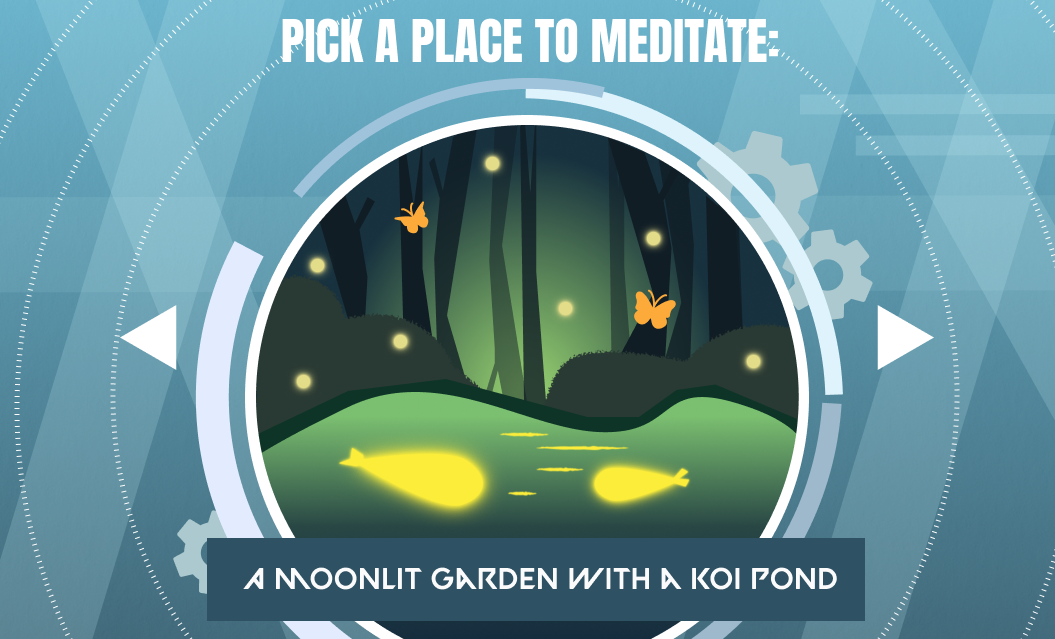
Our users don’t know the rosters, so asking them to choose meant they wouldn’t. A quiz asks the question they can answer: “who are you inside the game?” The reveal is designed to feel like a champion select crossed with a sorting hat. It’s the moment a casual player gets someone to root for.
02.
How an answer becomes a pro
Every answer maps to one of four archetypes, built on skinlines League players already identify with. We scored all 40 LCS pros on the same four archetypes. Your answers produce the same kind of profile, and Rally matches you to the closest pro.
8 answers
Each answer maps to one archetype
Your profile
A score across all four archetypes
Closest pro
Compared against 40 scored LCS pros
Their team
Your banner, pass, and leaderboard
Some answers are League memes on purpose: “0/7 powerspike,” “Ok,” “Worth.” The quiz speaks the language of the game, so it feels like it’s for players, not a generic personality test.
We considered stopping at the archetype, like a house assignment. It was low-friction but, as our notes put it, “not that close with any player or team.” Matching to a specific pro is what makes it personal.
03.
The Rally Pass rewards showing up
Your pass earns points three ways:
Watching your team earns the most, because watching is the behavior we were trying to build. Points are front-loaded, so early quests are worth more and a casual player feels progress fast. Milestones at 1,000, 2,000 and 3,000 points unlock chest keys and a chest. You get a basic team banner the moment you’re matched.
04.
A shared jersey, not just a personal grind
Every fan’s points also feed a Community Leaderboard Pass: one evolving team banner, with all 8 NA teams on a public leaderboard. Banner thresholds scale with each team’s fan count, so a team with a small fanbase can still level up its banner. Individual effort becomes collective identity, the way a jersey works in traditional sports.
05.
Presence that extends to attention
Riot’s friends list shows when someone is online or in a match. We added one more state: Watching. When a friend is watching their team’s match, you see it. It’s a small, low-scope change that turns watching esports from something you do alone into a social signal, and gives fans a reason to tune in between tournaments.
Outcomes
The feature Riot remembered
After our pitch, a PM on Riot’s esports team told us the Watching status was what stuck with them, because it tackled the mid-season drop-off head-on.
Takeaways
My takeaways
01.
Scope is a design decision
The visual novel was the more delightful idea. The quiz was the one that could ship every split. Keeping the insight while changing the format was the most important call on this project.
02.
Fans don’t just become fans
Loyalty can’t be generated, only given somewhere to go. Rally doesn’t make people care. It picks someone for them to care about, and the games do the rest.
03.
Engagement is the business case
When judges asked about monetization, we realized our answer was retention. Esports keeps people playing, and a fan with a team to root for keeps watching.
Thank you!
Wrapping up a busy semester at ProductSC
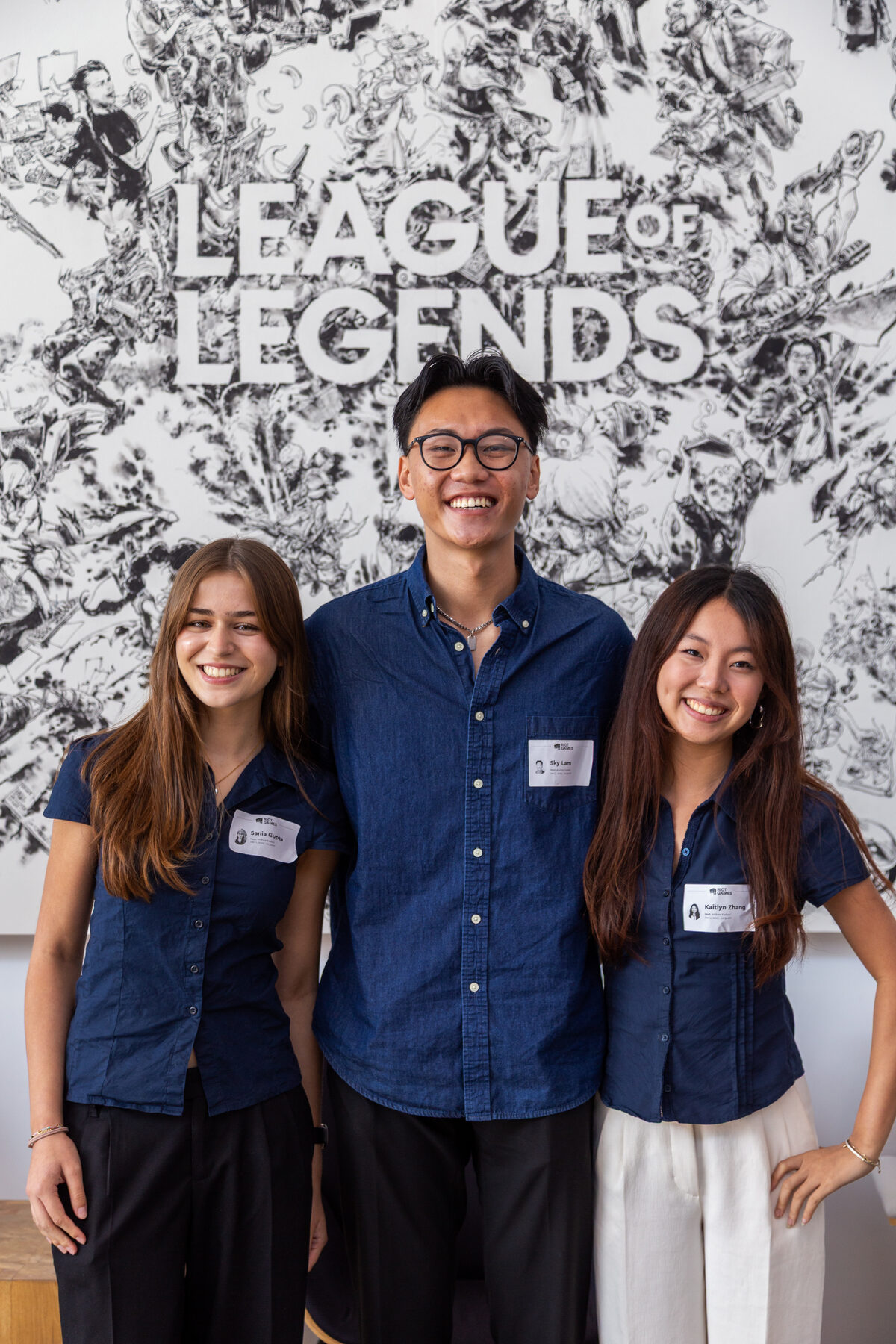
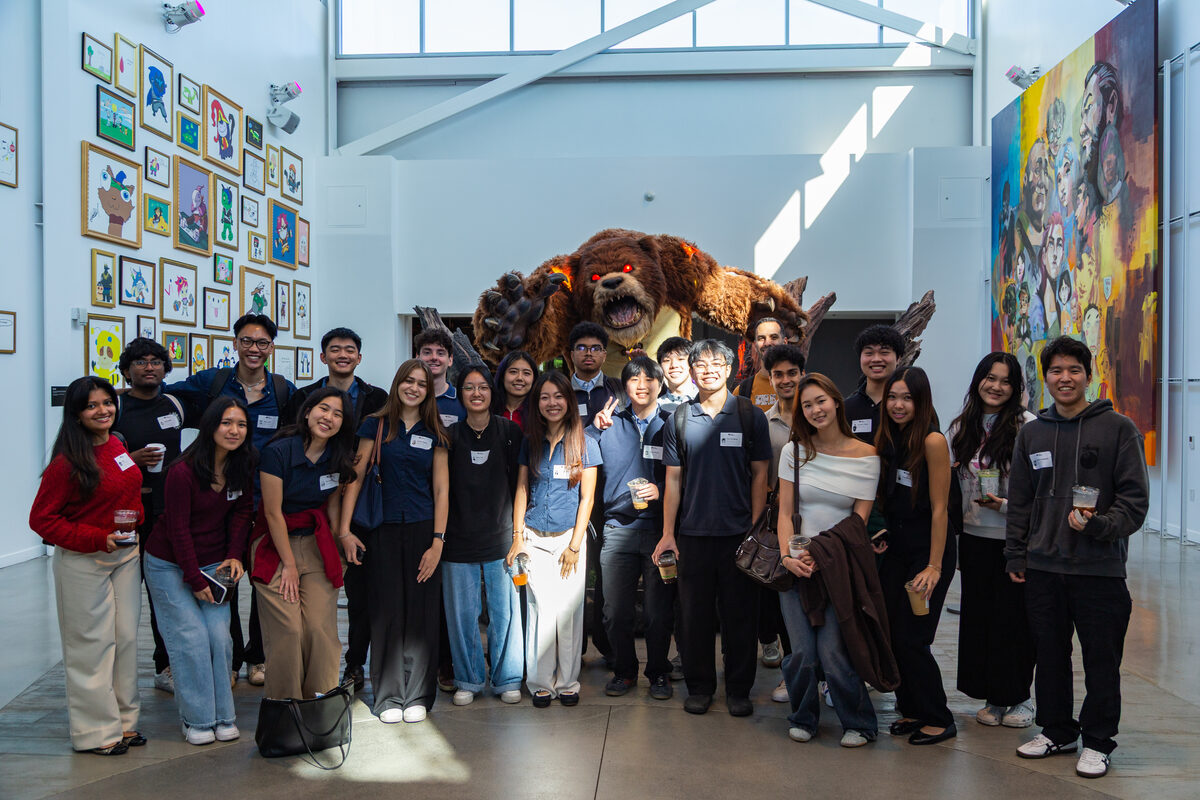
Shout out to my amazing team, Sky and Sania, ProductSC, and Riot Games, for such a busy semester, filled with learning and laughs! Go team Riot Red!