


Juno: the second brain that acts before you ask
Role
Founding Product Designer
Team
1 PM, 2 Engineers, 1 Designer
Timeline
Spring 2026, 10-week sprint
Skills
Product Design, Product Strategy, Branding
Overview
The only designer on a four-person founding team.
Alongside one PM and two engineers, I helped take Juno from an idea to a working product in a 10-week LavaLab sprint, which meant wearing plenty of hats beyond design.
The problem
Students have always scattered their own data, losing visibility of their own lives.
We talked to 50 students, and most told us a version of the same story: their calendar and inbox only know what they manually put in, so what matters most slips through the cracks.
Students set up their calendar and inbox
“This semester I’m finally going to be organized. I color-coded my whole GCal.”
Hours spent updating everything by hand
“I spend more time updating my calendar than actually doing the work.”
Deadline buried in Brightspace notifications
“I get like fifty Brightspace notifications a day. I stopped reading them.”
Finds out because a friend mentioned it
“My friend asked if I’d submitted yet, and I didn’t even know it existed.”
Stops trusting their own system
“Now I double-check everything, because I can’t trust my calendar anymore.”
Stages 2–4: the opportunity!
Opportunity
We finally have the tools to give students that visibility back—without the manual work.
Visibility means something different for every student, whether it’s never missing a workshop or losing track of a deadline. Unlike tools that wait to be asked or require manual input, that visibility can exist by default and compile in the background.
AI finally reads and acts on context in real time.
Context
The longer you talk to it, the more context it builds, and the models underneath keep getting better.
Knowledge Graph
Everything feeds one continuously growing map of your life, so connections are easy to trace.
Solution
Juno: the second brain that acts before you have to ask...
A knowledge graph that compiles as you talk to it, reachable through a single text.
......quietly bringing visibility back to a life scattered across a dozen apps.
Core flows
Chat with real-time context
Juno responds with an understanding of your inbox, calendar, and anything you choose to connect. Receive briefs on what's relevant all through text, right at onboarding.
Look back on your room
Review your background automations in a place that feels like home.
Flip into your dashboard
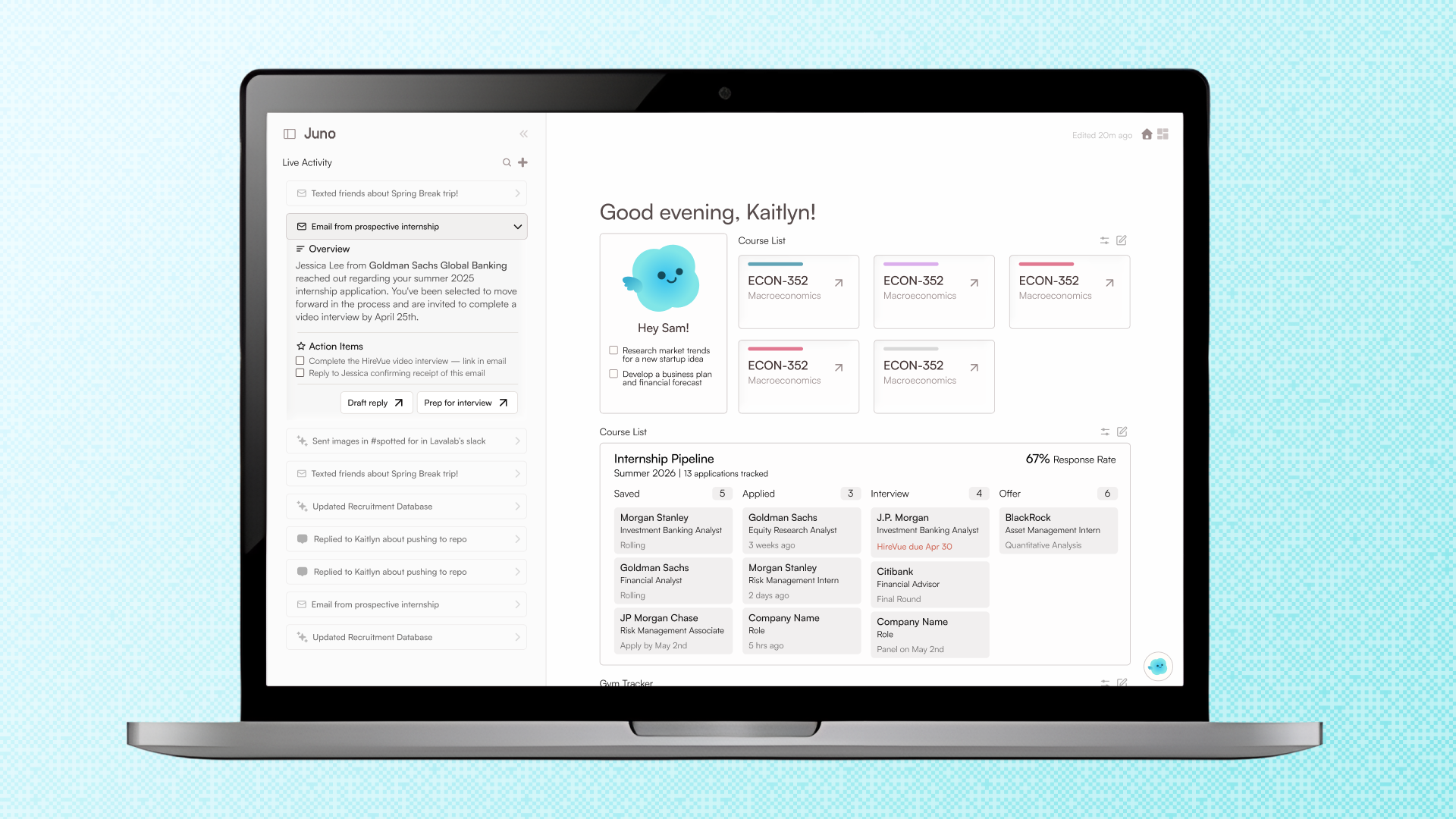
In a visual dashboard, you can regain visibility on what's important to you, automated by Juno's context on you.
Competitive landscape
Living inside the AI tools already claiming this space.
Our team already used Granola and Notion AI every day. We dug deepest into Poke, popular among AI-native college students for its low barrier to entry. We didn’t treat it as a competitor to design against, but as a signal of where the category was heading.
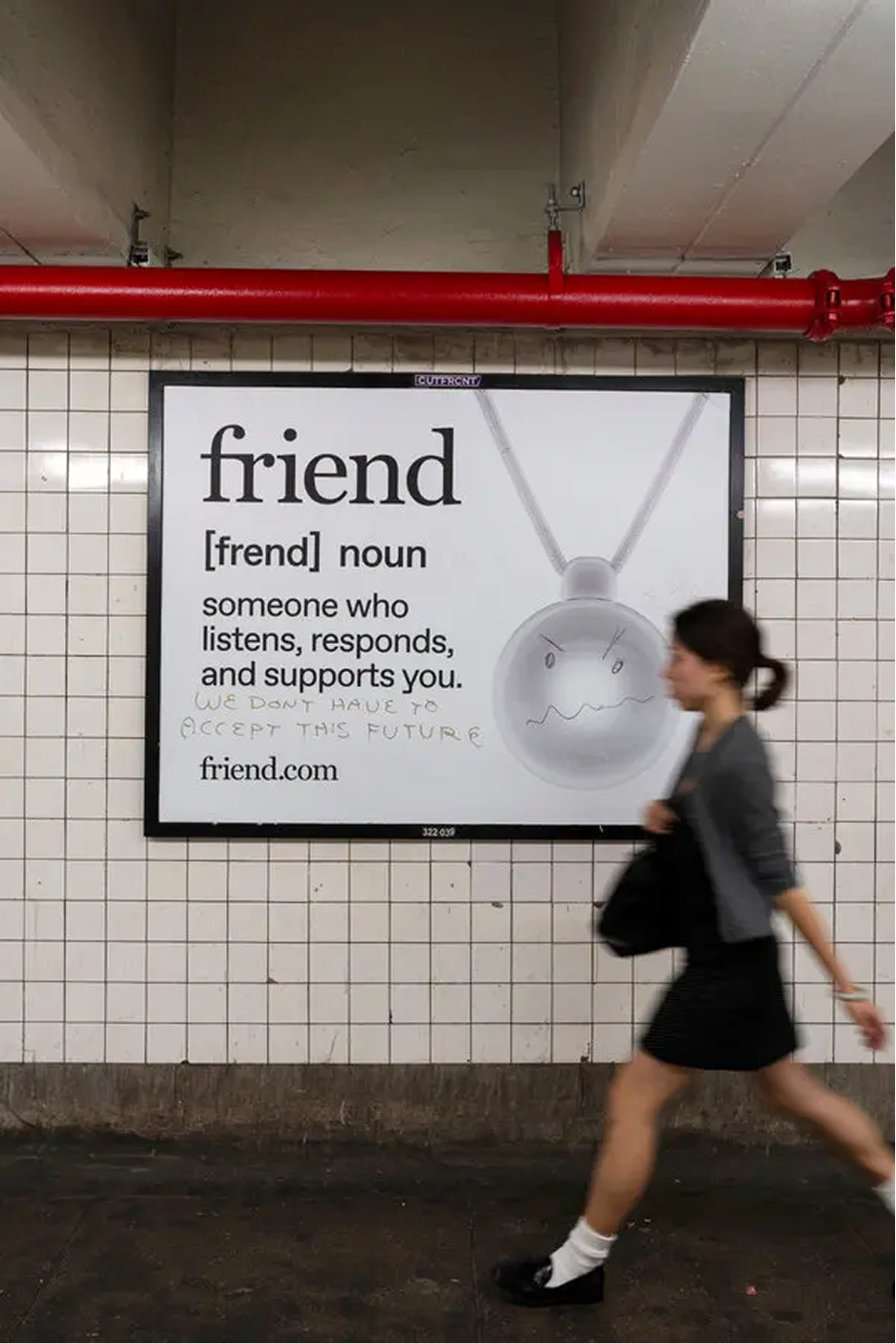

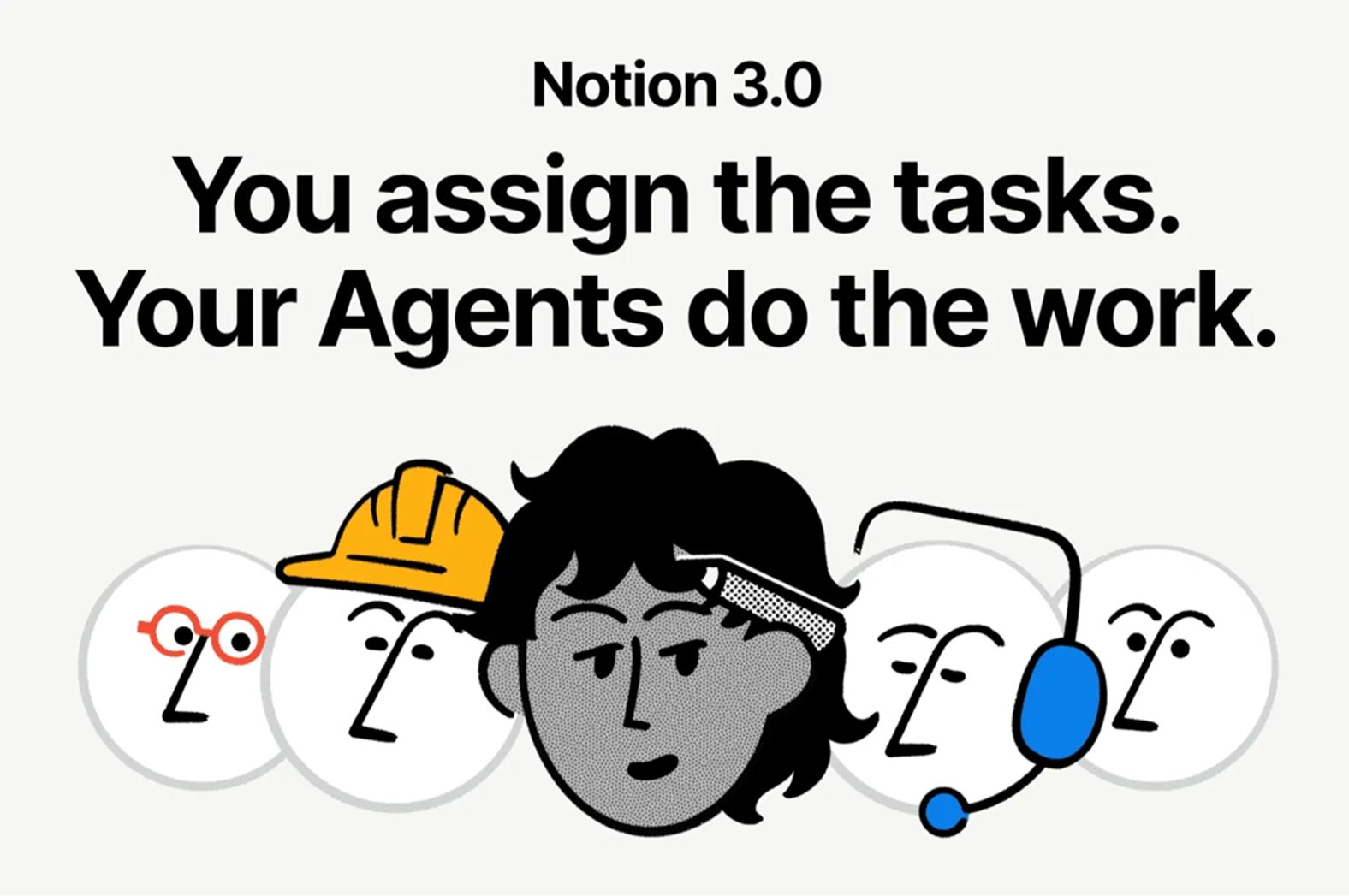
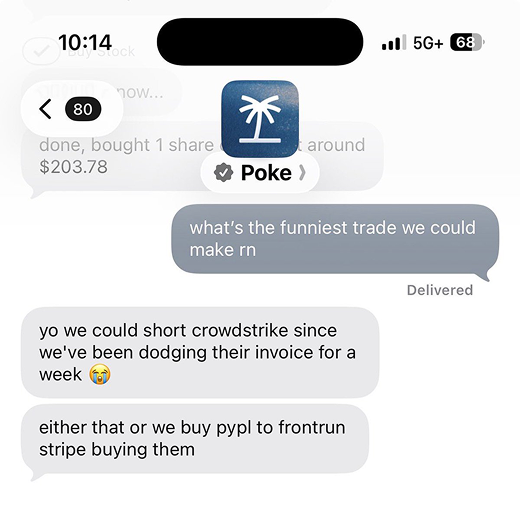
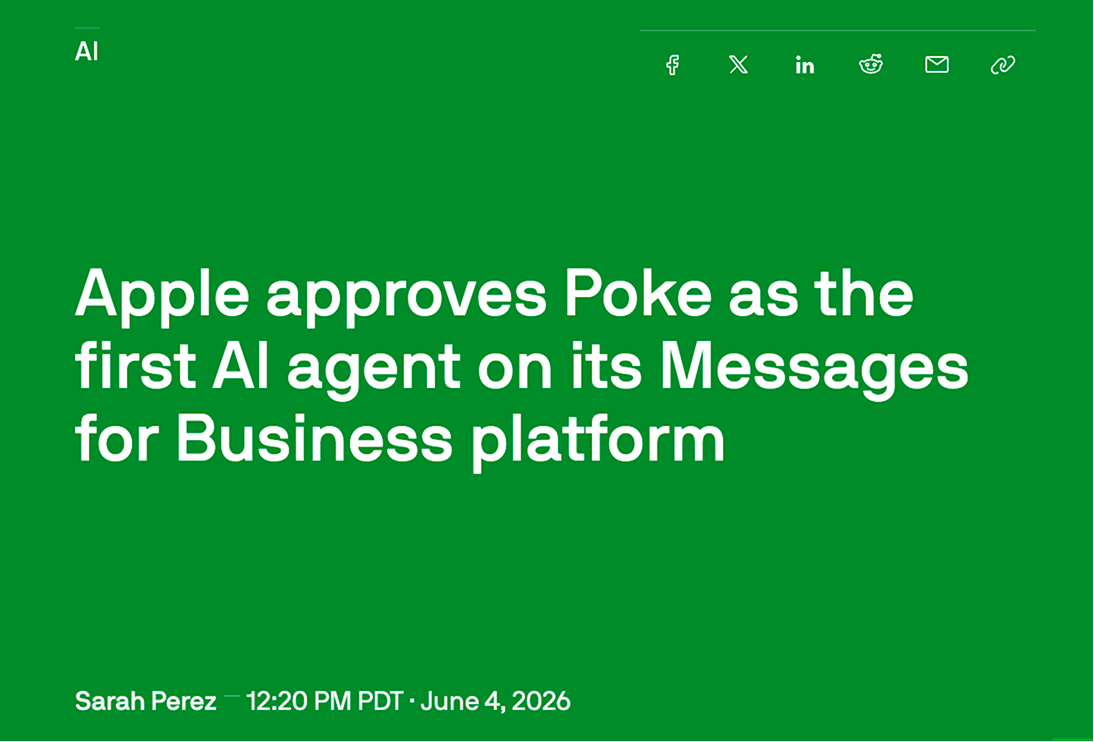
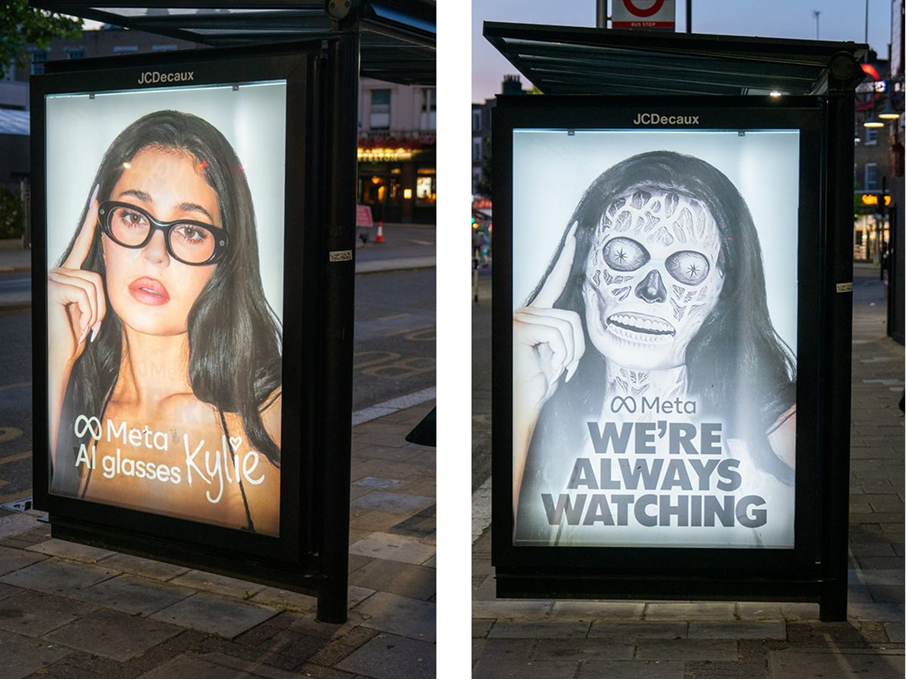
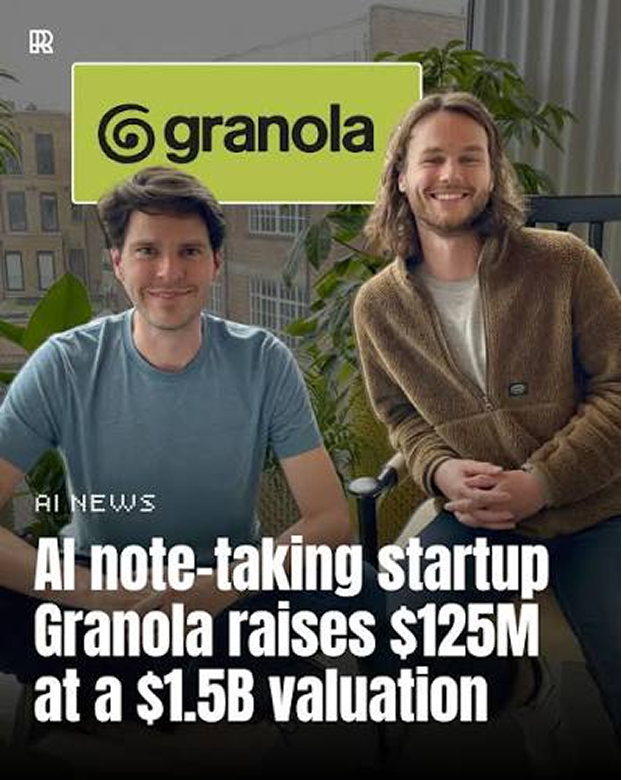
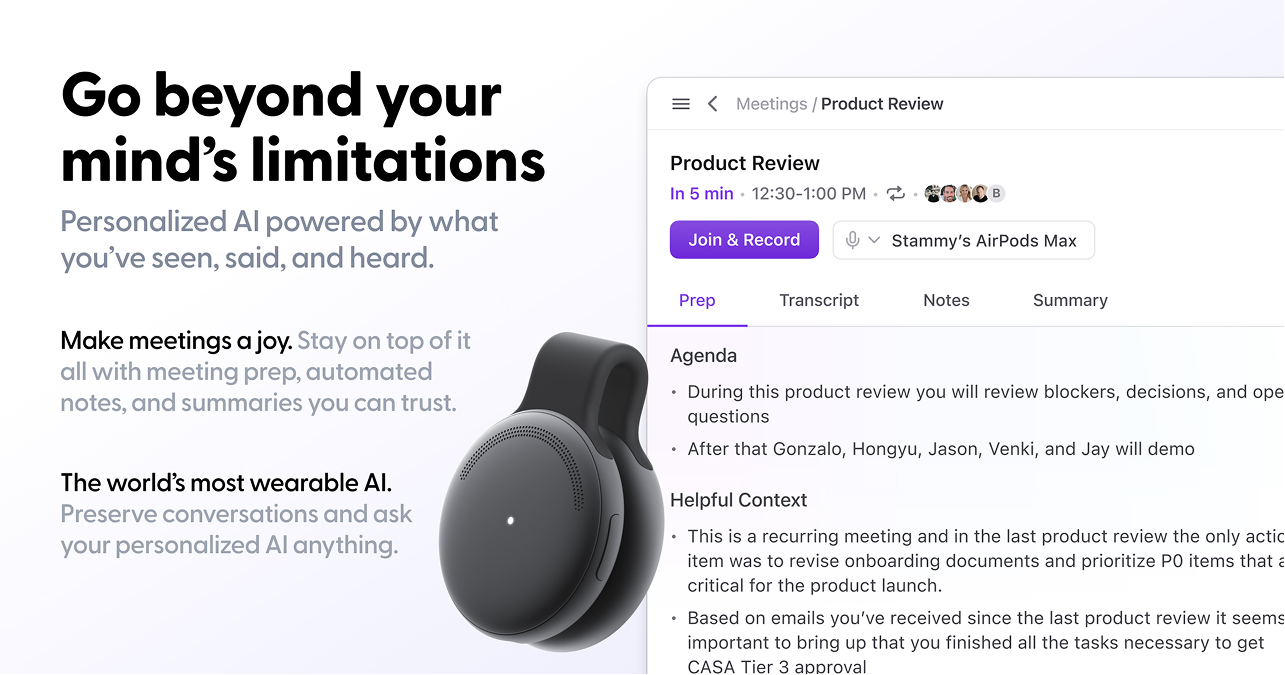
Narrowing from hardware to software, from everyone to students.
Hardware meant slower iteration and real manufacturing cost, while software let us build and test within our sprint’s time constraints. We focused on students because it’s the life stage we’re living ourselves, so we could spend less time learning the problem space and more time building.
Why Juno?
Starting from a concept, not a category.
Speed to Build
Software, not hardware, buildable within a 10-week sprint.
Sharper problem-fit
Validated through 50 student interviews, not assumed from market size.
A compounding moat
A knowledge graph that gets more valuable the longer it’s used, unlike a one-off tool.
Prototyping
Exploring directions for something both fun and with utility
We explored a range of concepts to answer two questions. How do you make an always-updating knowledge graph feel like something students want to check, not a sprawl of data? And which channel should it reach them through?
Visual Explorations
[1] Visualizing the knowledge graph directly; accurate, but unreadable at a glance.
[2] Decorated home screens personalized to users; distinct, but loses connection to Juno’s main function.
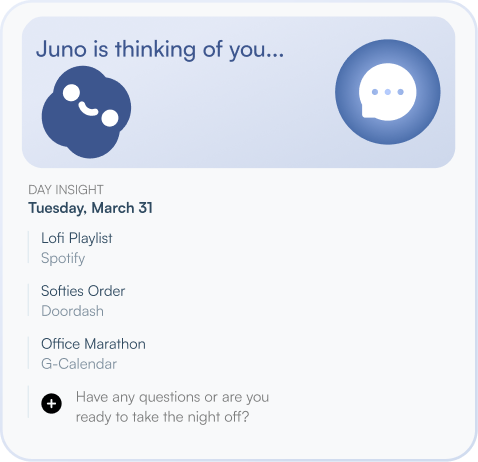
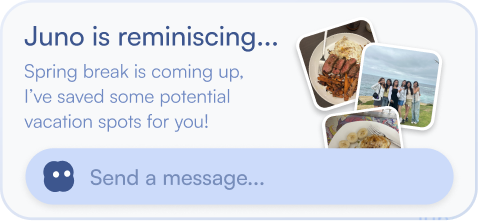
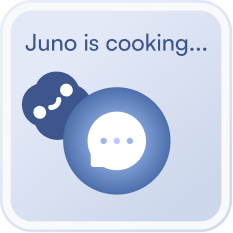
Form Explorations
[1] Passive updates on the phone’s home screen, which only added more noise.
[2] Just a text, arriving the moment something’s relevant.
Key user insights
Form follows function.
As obvious as it sounds, we ended up scrapping most of the widgets above. Every visual piece that stayed had to map to a real function, and anything that was just decoration got cut as noise.
Insight 1: Raw data isn’t actionable
Seeing your own knowledge graph doesn’t tell you much; students needed it translated into something immediately useful. So instead of exposing the graph directly, we translate it into formats students already trust, like calendars and dashboards.
Insight 2: Personalization and fun can still exist in software!
A customizable interface only felt valuable when every visual element was tied to a real function. So we created the room, a home away from home for college students, where every piece of furniture is an entry point into a real, running automation.
Designing for scale
Can AI design something reusable, or only something one-off?
With only 10 weeks, we couldn’t design every student’s scenario from scratch. How could one streak tracker work for both sleep and gym habits without being redesigned each time?
Option A:
Let AI generate a version per use case for more automations, which was faster, but inconsistent and hard to maintain.
Option B:
Hand-design a smaller set of reusable components, but each one consistent and built to scale.
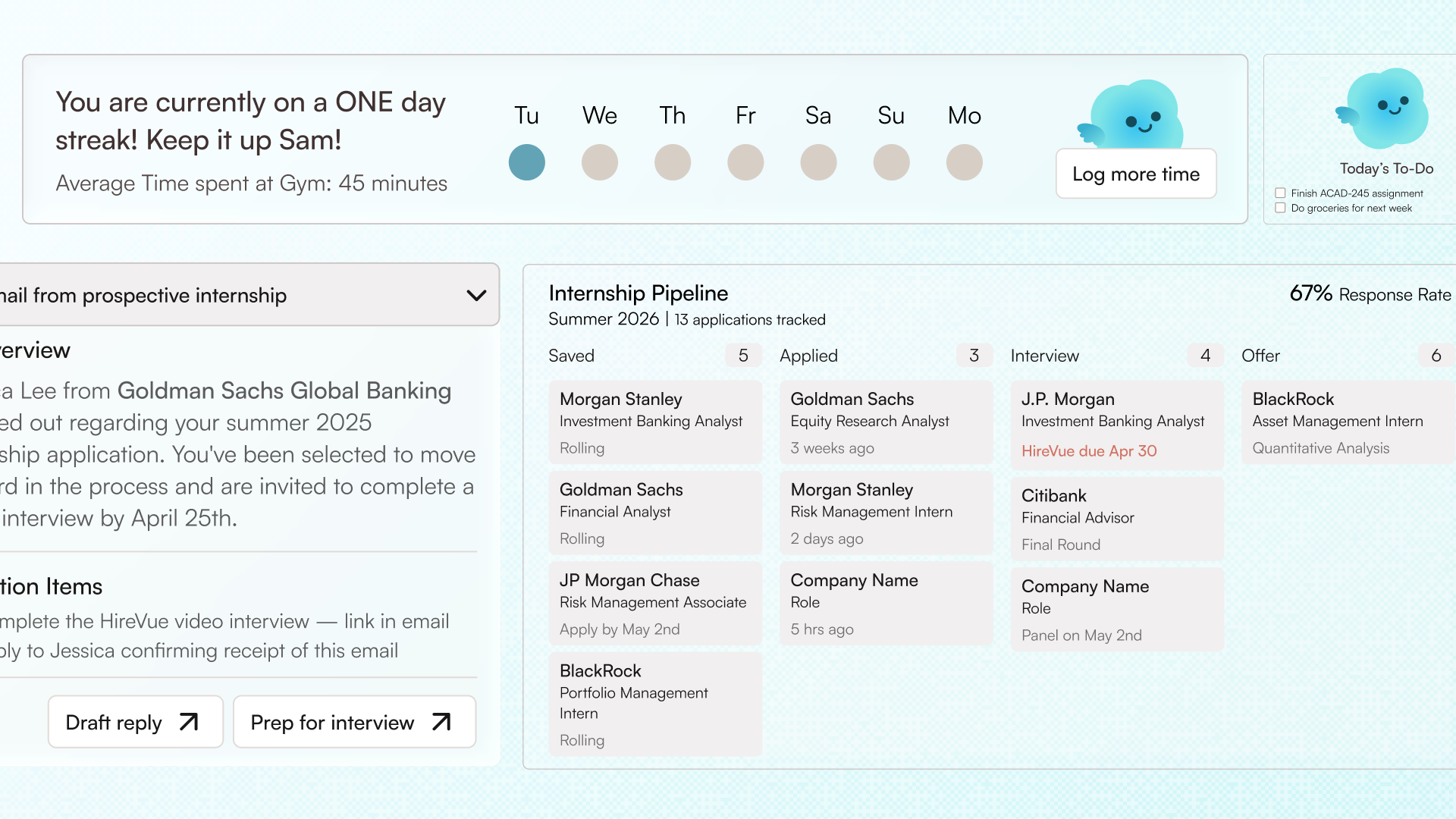
We chose Option B. A streak tracker, for example, could be reused across gym habits, healthy eating, and LeetCode practice with no extra design work. The tradeoff: something like a calorie tracker, which needs its own specific inputs and logic, couldn’t be repurposed the same way. So for now, Juno’s automations skew toward what’s reusable, and highly specific, detail-heavy trackers are something we haven’t built out yet.
Designing for trust
Asking for someone’s whole life means security can’t be an afterthought.
Every integration runs through Composio, so Juno only ever accesses what a student explicitly grants. Data retrieval runs through SOC 2—compliant providers, everything is end-to-end encrypted, and our own engineers never see a user’s raw data.
This wasn’t something we bolted on later: if Juno is going to compound context over time, trust has to compound with it.
Reflection
My takeaways
Useful doesn’t mean constant
“Proactive” tips can easily become “annoying.” An assistant that acts before you ask has to earn the right to interrupt you, not just have the ability to. Choosing the right channel mattered as much as the message.
Designing for scale
Choosing hand-built, reusable components over AI-generated one-offs meant fewer automations at launch, not more. Scale was about building the proper foundation early on for greater expansion later.
Outcomes
What shipped, and what’s next
As of today, Juno has 600+ people on the waitlist and 50 students actively using it in beta.
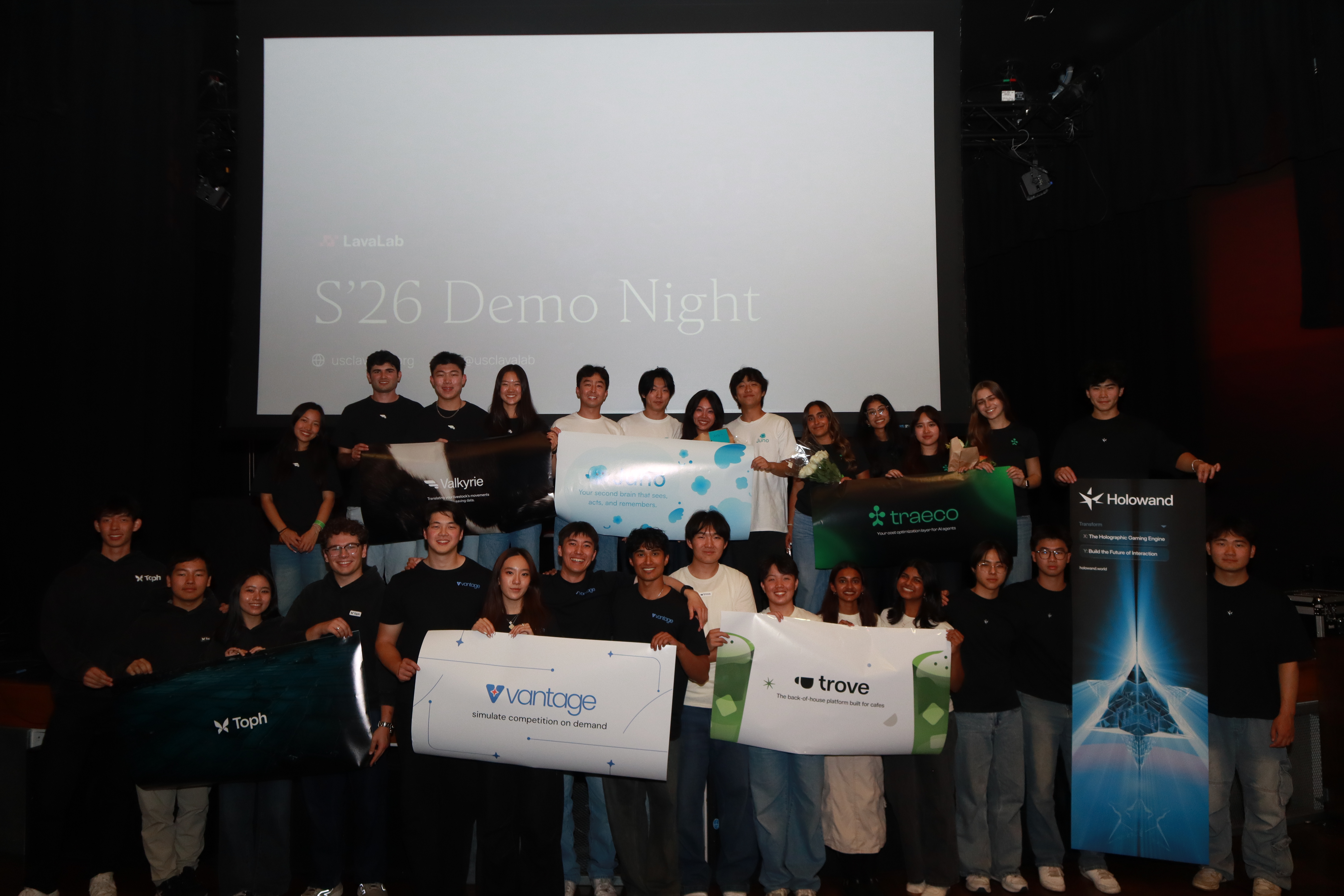
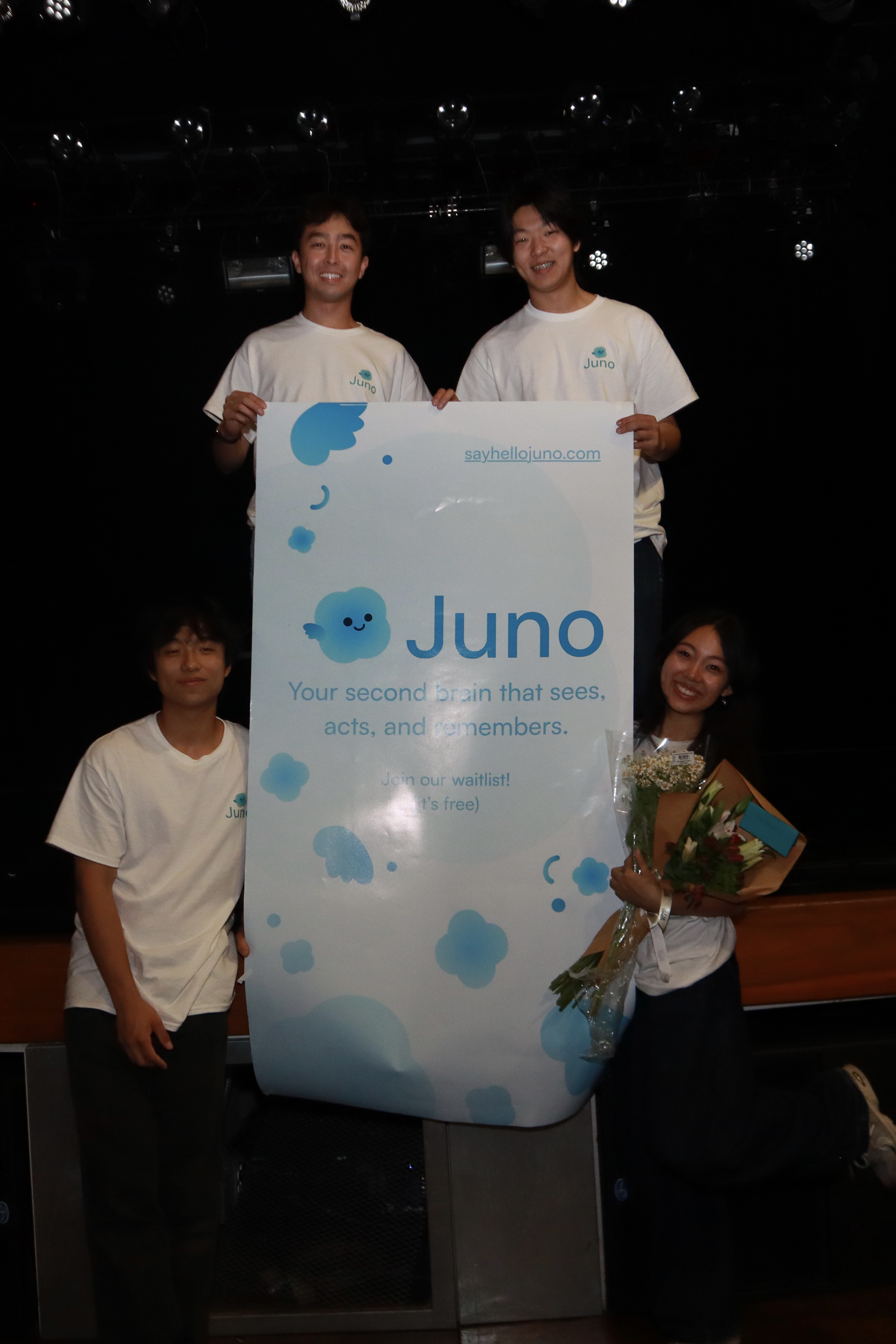
Thank you to my wonderful LavaLab team—Ronnie, Johnny, and Turat—for building with me, and to my mentors for pushing me outside my comfort zone! Grateful for this lovely community of passionate builders.